Get a Quote
We’ll provide a customized quote—fast, easy, and with no hidden fees.
"*" indicates required fields
Grease Trap Cleaning
Professional Grease Trap Cleaning for Commercial Kitchens
A clogged or overflowing grease trap can bring a commercial kitchen to a halt — slow drains, foul odors, health-code violations, and unexpected shutdowns. FusionSite keeps traps of every size on a schedule to help avoid those occurrences.
Most kitchens need service more often than they think. EPA-published guidance for restaurants recommends pumping indoor grease units at least once a month and outdoor in-ground interceptors at least quarterly, and your local ordinance may be stricter. If you are past due, or you are not sure when yours was last pumped, get on a schedule before a backup shuts you down.
Why Businesses Choose FusionSite for Grease Trap Cleaning
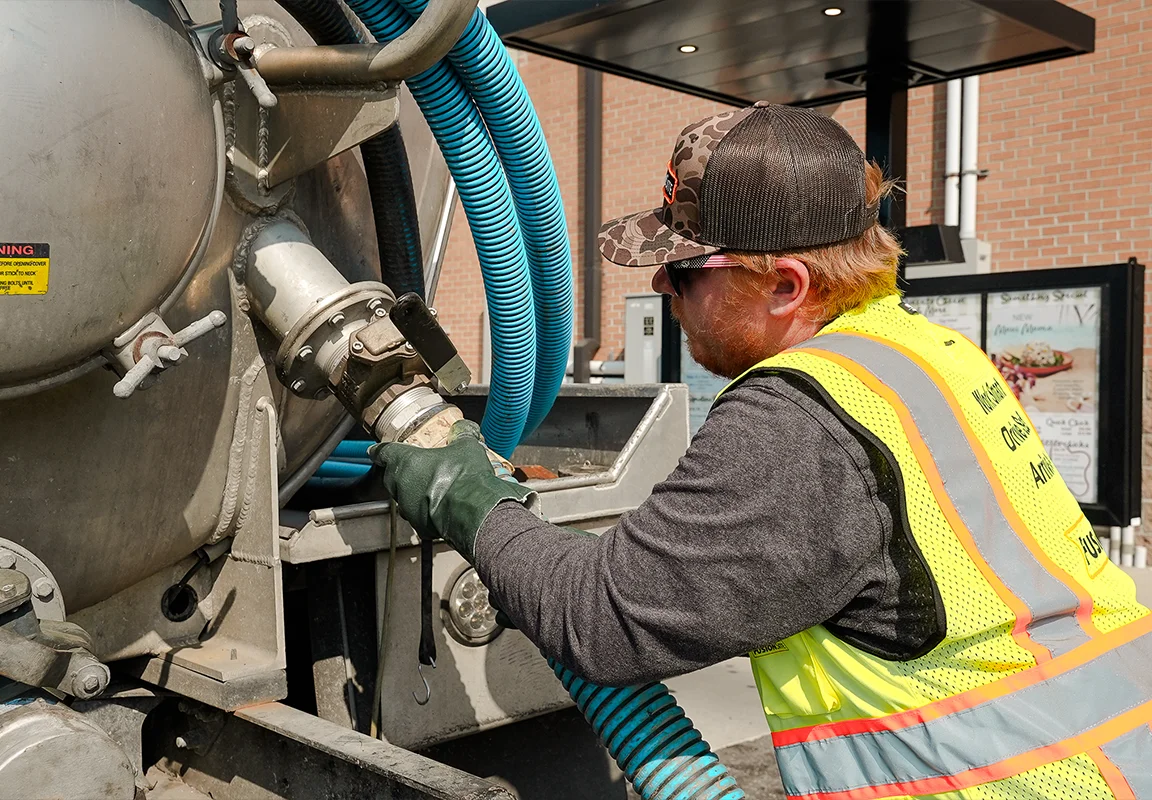
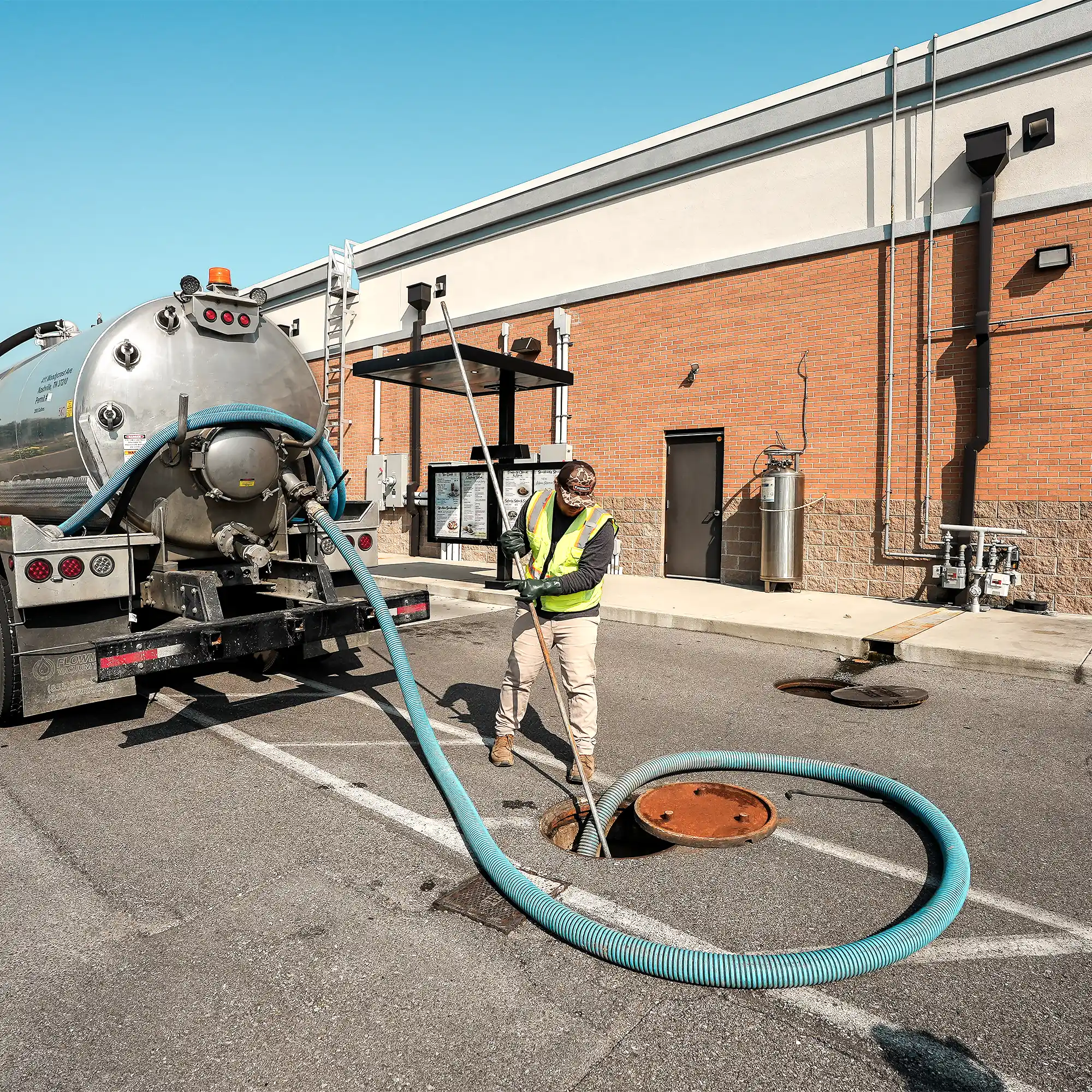
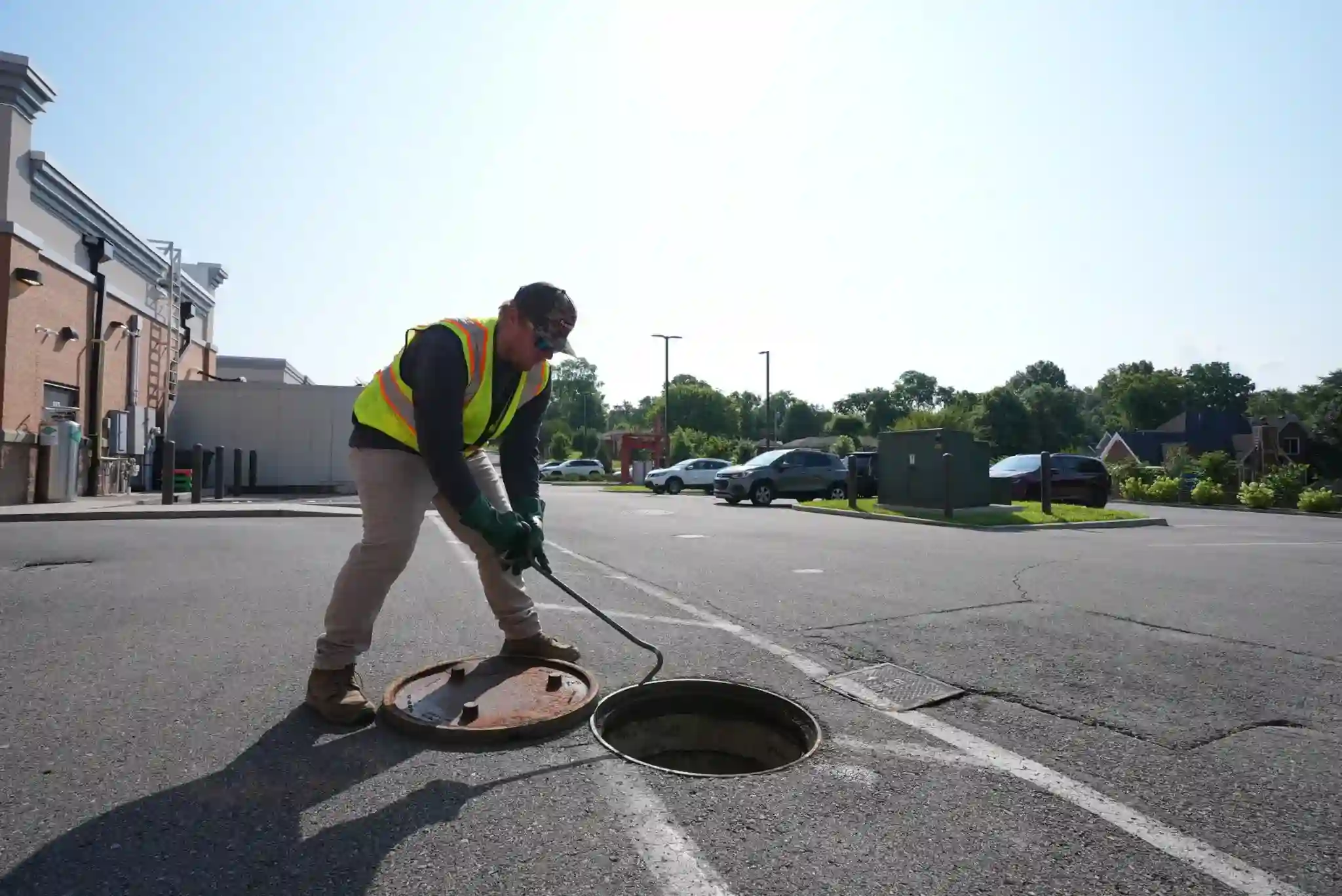
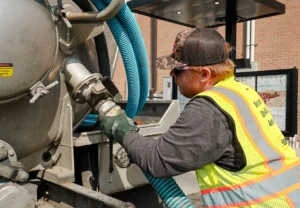
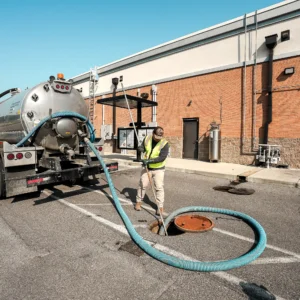
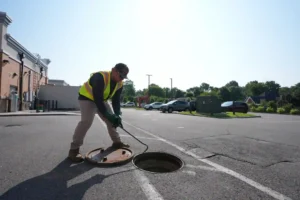
Grease Trap Cleaning Services
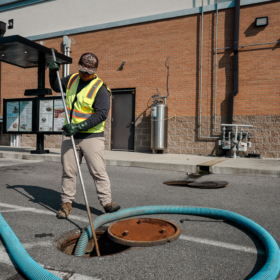
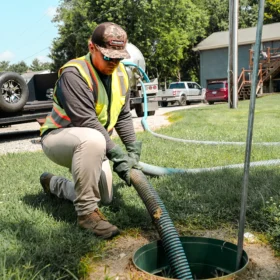
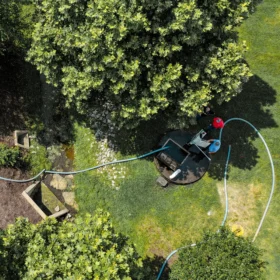
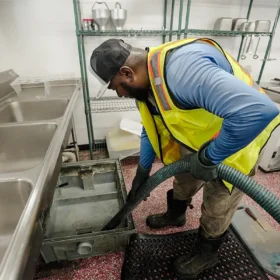
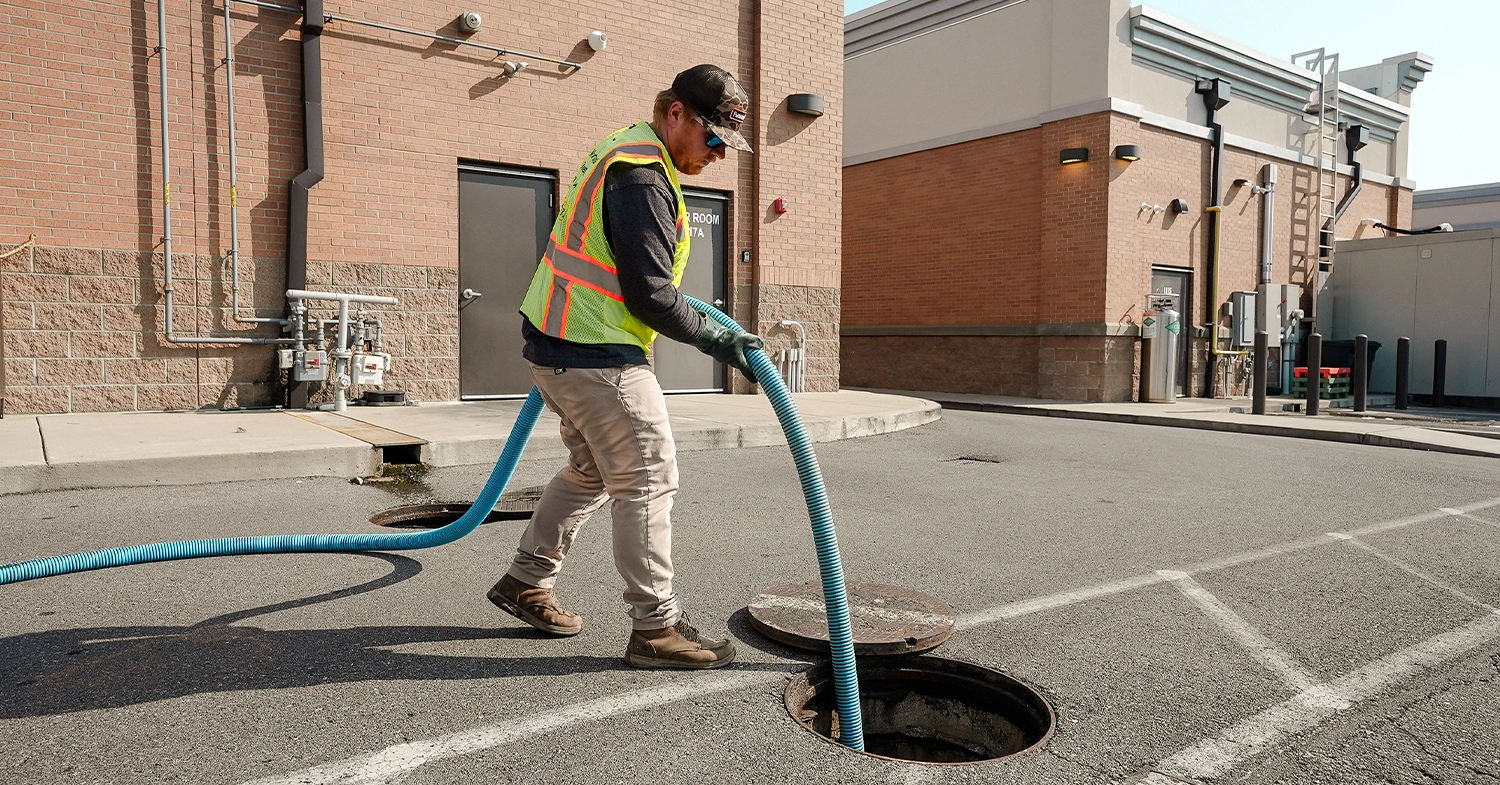
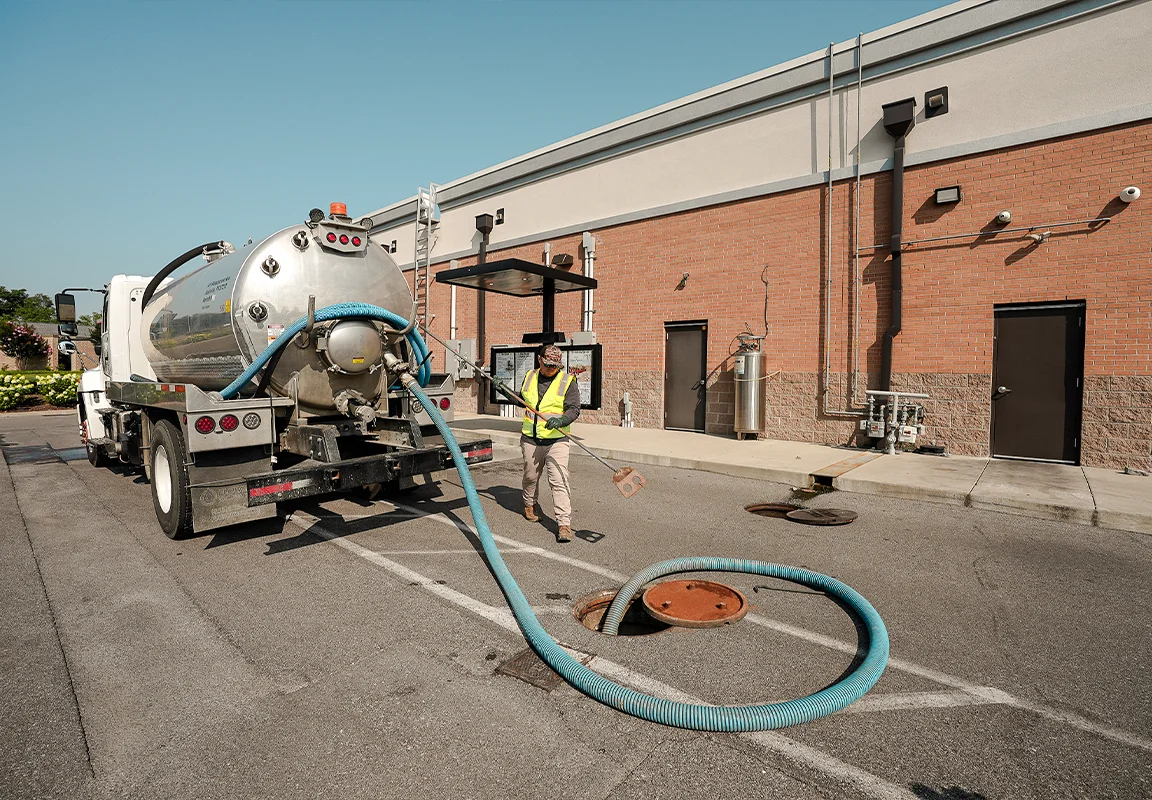
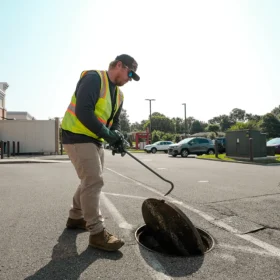
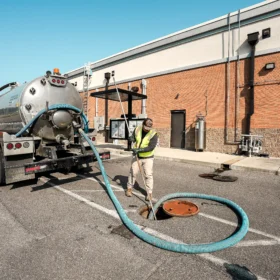
Outdoor Grease Trap Cleaning
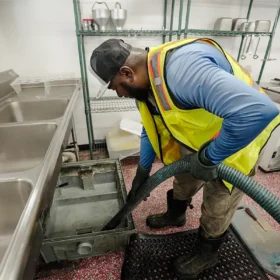
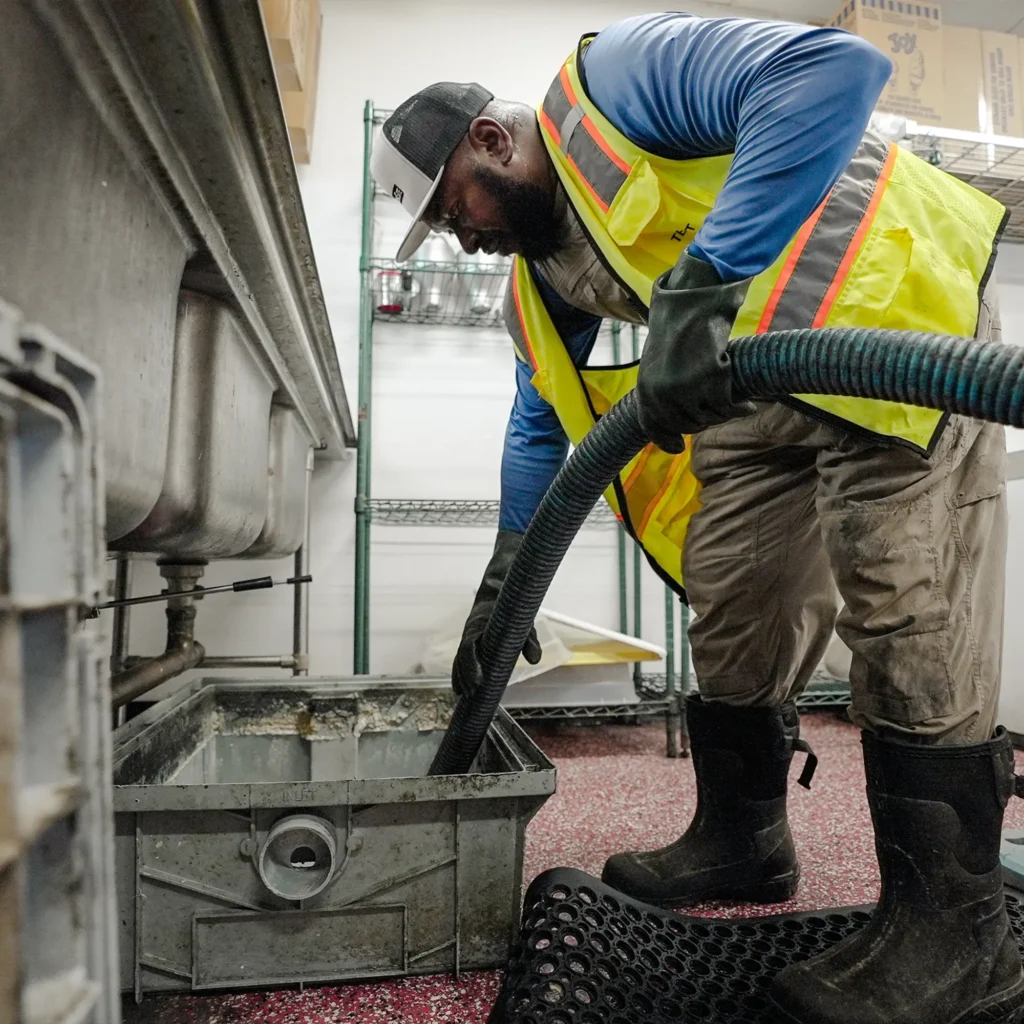
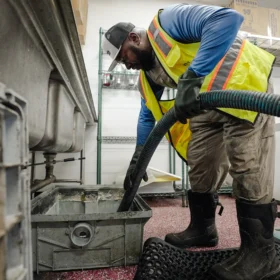
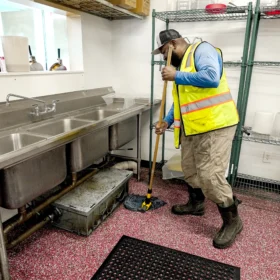
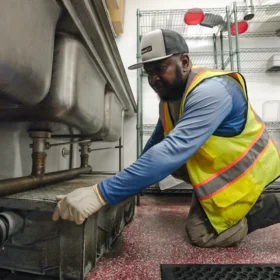
Indoor Grease Trap Cleaning
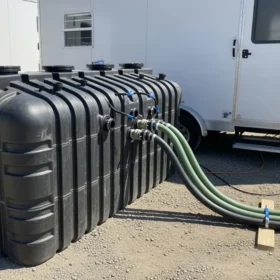
Wastewater Pumping
What Our Customers Say



 Trustindex verifies that the original source of the review is Google.
  Trustindex verifies that the original source of the review is Google.
 Trustindex verifies that the original source of the review is Google.
  Trustindex verifies that the original source of the review is Google.
  Trustindex verifies that the original source of the review is Google.
 Trustindex verifies that the original source of the review is Google.
  Trustindex verifies that the original source of the review is Google.
  Trustindex verifies that the original source of the review is Google.
  Trustindex verifies that the original source of the review is Google.
  Trustindex verifies that the original source of the review is Google.
 Preventative Cleaning and Compliance Made Easy
Keep your business running smoothly and your kitchen drains flowing. FusionSite’s grease trap services are performed by certified technicians who follow local municipal codes for grease disposal. We’ll help you avoid costly fines and unexpected downtime with scheduled maintenance that keeps your system in peak condition.
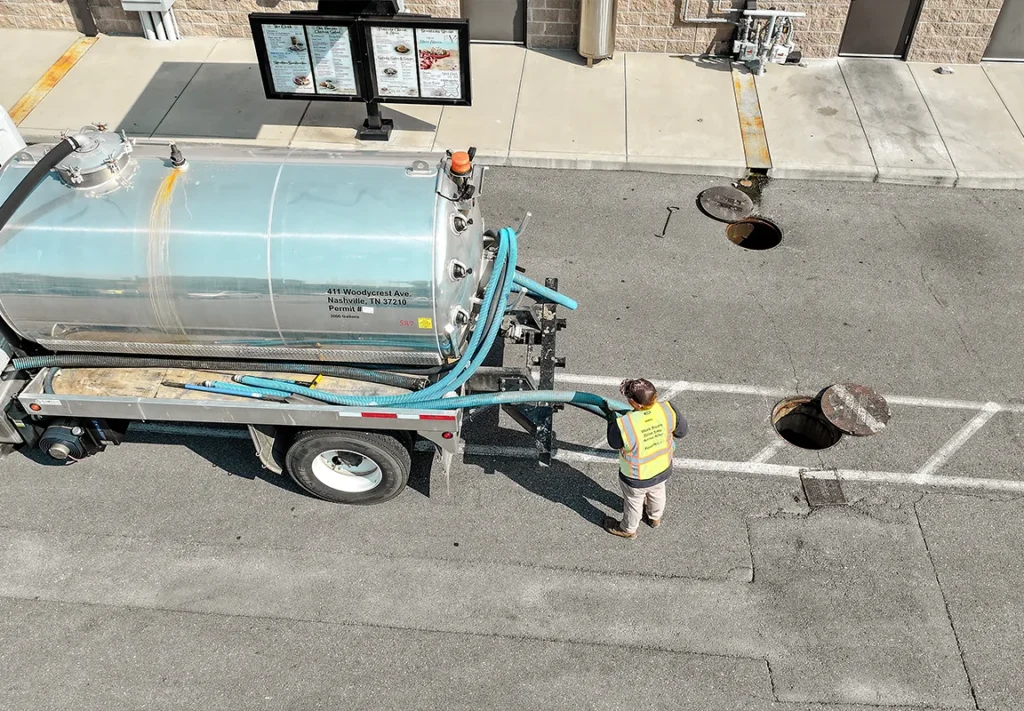
Emergency and After-Hours Cleaning Services
Grease backups don’t keep business hours. That’s why our crews are available nights, weekends, and holidays to respond to urgent calls. With specialized vacuum trucks and experienced technicians, we deliver rapid, safe solutions with minimal disruption to your operations.
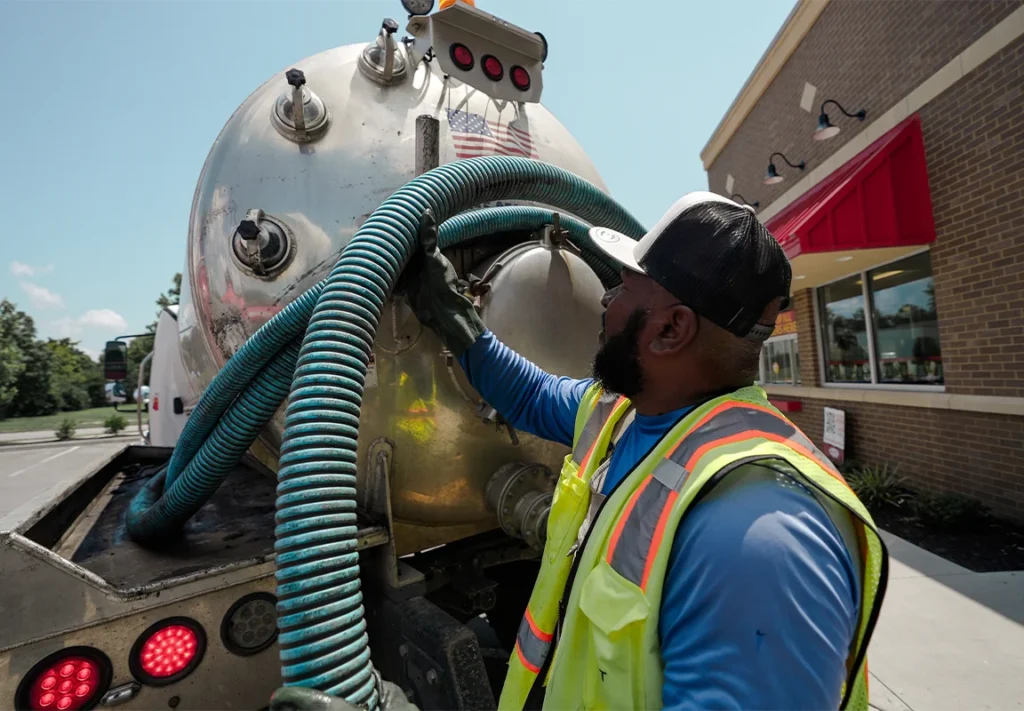
Before We Arrive
How to Prep for a Grease Trap Cleaning Appointment
A few minutes of prep shortens the visit and keeps your kitchen moving. Here is what helps most before your FusionSite technician arrives.
- Stop using the affected sinks and drains about an hour ahead. Standing hot water and fresh food waste make the trap harder to pump and slow the job down.
- Clear a path to the trap. Move mats, carts, and storage away from indoor units. For outdoor interceptors, keep the parking space and manhole cover clear of vehicles and dumpsters.
- Share the trap’s location and size if you know, and flag anything you notice. It is helpful if you know the exact location of the trap before our crew arrives, but our technicians can usually identify it upon arrival. A last service record or rough gallon capacity helps us match your trap to the right truck when we schedule.
- Stay open — just schedule between rushes. You won’t need to close the business, but scheduling between rushes keeps the odor away from your guests. Indoor traps require someone on-site to let our technician in; outdoor traps don’t. Compliance documentation comes with every cleaning, so your file stays current.
After the visit: you receive documentation of the pump-out and FOG disposal for your records. Keep it with your health inspection paperwork, since inspectors routinely ask for it.
Frequently Asked Questions
Our grease trap services typically include full-tank pumping with our vacuum pump trucks, removal and proper disposal of fats, oils, and grease, and a certification form for your regulatory compliance records.
If it’s a grease trap inside the building, clean it every 30 days. For an outdoor grease interceptor, every 90 days. EPA-published guidance for restaurants recommends these same minimums, and your local ordinance may require more. High-volume kitchens often need service more often — we will set the right interval for your operation.
We service every size of grease trap, from small 30-gallon traps to the largest-capacity interceptors used in commercial kitchens.
Yes, we provide emergency grease trap cleaning and pumping for backups and overflow situations. A failing grease trap system can create serious health hazards and disrupt your entire kitchen operation, so we move quickly when urgent situations arise.
Yes, we offer ongoing maintenance contracts with recurring cleaning schedules for compliance and efficiency.
A typical cleaning takes about 30 minutes, depending on the trap’s size and accessibility.
No, there’s no need to close your business. Our technicians complete the service quickly and safely with minimal disruption. If preferred, we can schedule cleanings during off-hours or low-traffic times to fit your operations.
Yes, we can schedule after-hours cleanings to avoid impacting your kitchen’s workflow.
Yes, documentation is provided after every cleaning to confirm regulatory compliance.
No, we do not offer enzyme treatments, as they can interfere with proper trap function.
Watch for slow drainage, gurgling sounds from your sink drain, unpleasant odors coming from your drains, or flooding in the parking lot. These are all signs your grease trap needs immediate attention.
Yes, after-hours service incurs an additional charge.
No special maintenance is required—just maintain your regular cleaning schedule.
Yes, there is typically a temporary, unpleasant odor during cleaning, which dissipates shortly after service.
Get a Quote
We’ll provide a customized quote—fast, easy, and with no hidden fees.
"*" indicates required fields